
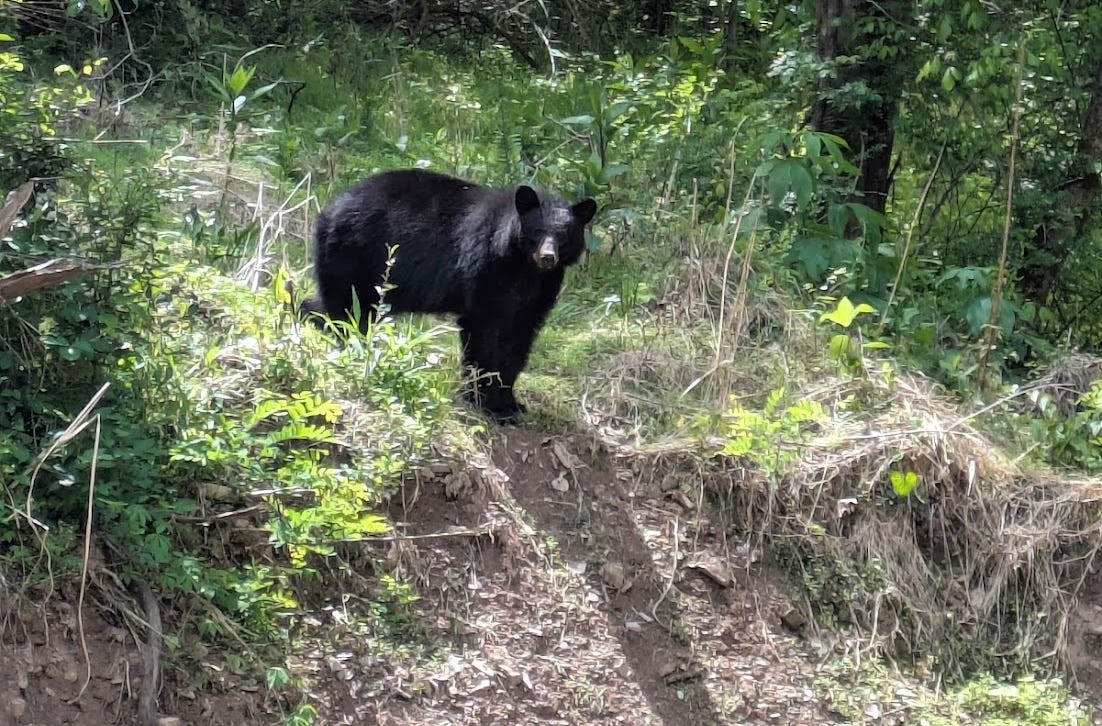
Theology decrees that man has a soul and that the animals are mere ‘automata mechanica’, but I believe they would be better advised that animals have a soul and that the difference is of nobility.
—Carl Linnaeus, Dieta Naturalis
Linnaeus was in reality a poet who happened to become a naturalist.
—Strindberg
He was one of us, happy in our childhood.
He would set out with his botanic box
To gather and name, like Adam in the garden
Who did not finish his task, expelled too early.
—Miłosz, “Linnaeus”
Throw me to the wolves because there’s order in the pack.
—RHCP, “Easily”
It took me years of servitude to the machine to reawaken to my childhood love of animals. My fascination with the autonomy of creatures, incomprehensible—that is to say, the incomprehensibility of Life. For years, lost decades, this world failed to arrest my attention amid so many other ambitions. A heavy sin. Life passed in the world of systems and screens, policies and analyses, rules and institutions. I lived in a forever future, not on promises of heaven, but of power.
That future had no need of Latin, of visions of Linnaeus, much less of the particular personality of the particular hummingbird (Archilochus colubris) who zoomed to and fro at my feeder. Much less of the spider I named Penelope, whose Linnaean nomenclature then escaped me. Penelope, graceful but messy, who for those weeks in August—dreadful, hot, far from grace—was my most steadfast companion. How many times can a man fall short, she seemed to ask, quietly, lovingly, as she spun. Seventy times seven. Linnaeus had a tragic aspect, he was bailing the ocean with a thimble, like all scientists, but we can forgive him and even admire him, for it was out of love. In his own way he sought to carry out our great commission, inherited like so much else from Adam, to name the animals. To order the world in love. How many of our scientists can say the same? How many of our poets?
Penelope knew, perhaps still knows, things about me that no one else will ever know. As do each of the creatures I have encountered in a peripatetic life. They know my scent on mornings when the distance from bed to earth is insurmountable. They have met my gaze, curious, as I sit, swaddled and content, on porches overlooking the end of the world and the Last Judgment. They know my heartbreak, even if they know it only as the slightest change in daily pattern: shift of breath, lingering glance, scribbling pen—this red hunched ape (Homo troglodytes) who by turns frightens and supplies them, coming to and fro at odd hours, singing recklessly. They are scientists, too, who make their observations and compare their notes. In early mornings before the mourning doves (Zenaida macroura) decide once again to renew the world, they watch his face, lit strangely by discomforting screens, a refugee of hours, a stranded boat on the ocean of time.
Once in my kitchen I turned, startled, to see the cat (Felis catus) in my doorway. She watched me cook my eggs. If she wanted them, she would not stay for them. She would not suffer to be approached, an icon of a world doomed to be loved yet only observed. To reply even in its aching hunger only with dignified silence. The machine may respond to my touch, but it never replies. It can never reply, and its simulacrum of responsiveness is grotesque and unbearable to me.
Give me the animals, then, who reply sincerely even in their distance. Especially in their distance. These creatures attend and reply in their every carnal move, even in their terror, abandonment, disdain, distrust. Teaching me to give up on comprehending Life and to finally live it. We speak divergent dialects of an ancient mother tongue. Like strangers on holiday, we gesture, pantomime, and eventually make ourselves understood. Recognize each other as fellow passengers on these creaking boats lurching from one harbor to the next, the days of life under which we shelter, feral, mortal, reborn.